How to Tell When a Lemon Is Ripe: A Winter Picking Guide
October 29, 2026 - Winter Harvest

October 29, 2026 - Winter Harvest
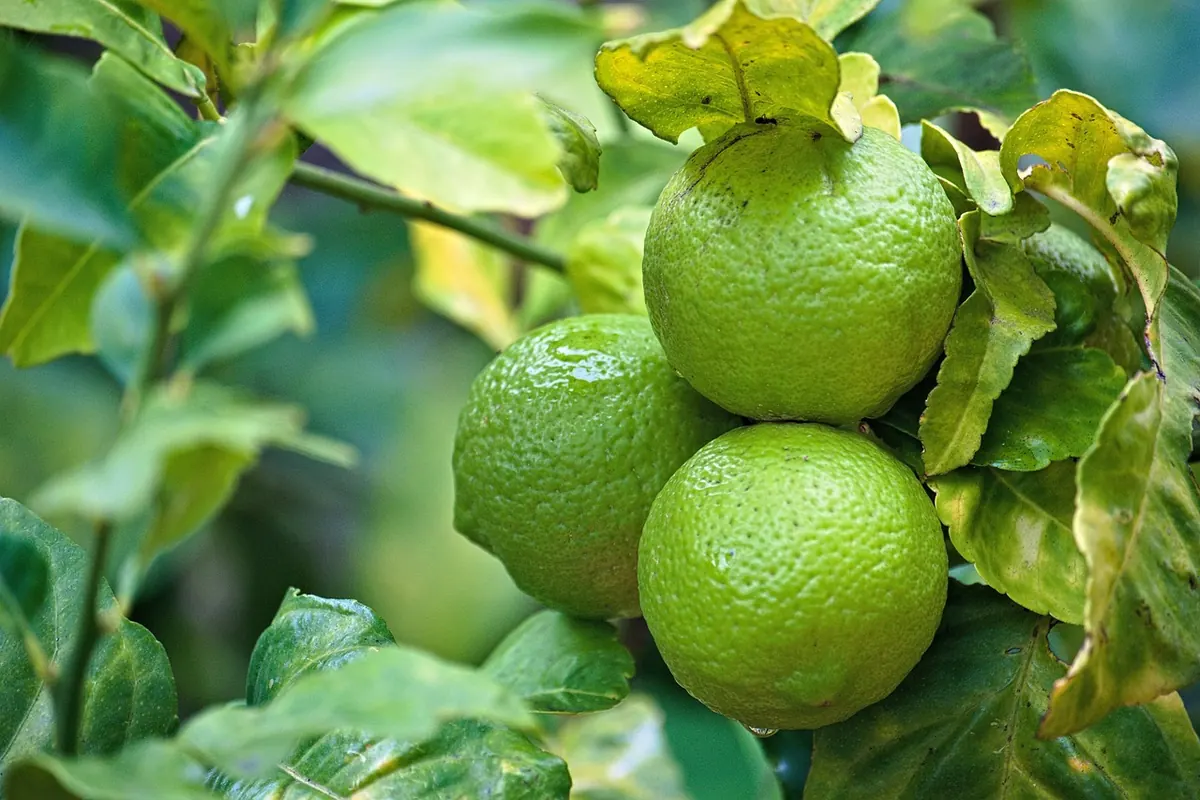
A lemon tree left to its own devices doesn't turn into a neat little ball. It turns into a thicket: a knot of crossing shoots, a skirt of branches sweeping the ground, and a dense green roof that keeps light from reaching anything underneath. The tree survives, of course. It may even look lush. But the fruit comes out small and sparse, clustered at the very tips where the sun still gets through, and the whole thing becomes a ladder of problems to fix later.
Pruning changes that, and it doesn't demand much. A few well-placed cuts each year, made with a clear idea of what you're trying to achieve, will do more for your harvest than any fertiliser. Here's the job in one sentence: let light and air into the middle of the canopy, keep the framework young enough to carry good fruit, and stop the tree spending energy on wood that gives nothing back.
Lemons are not apples. They flower on new growth and on one-year-old wood, often in several waves across the season, which means the timing of a cut decides whether you're removing next month's blossom. Get the season right and the tree barely notices. Get it wrong and you'll spend a year looking at a bare frame.
The main window is late winter into early spring, once the risk of hard frost has passed but before the big flush of flowers and new leaves. In mild coastal climates that usually means late February through March. In colder gardens, where a lemon lives in a sheltered corner against a south-facing wall or spends winter wrapped in fleece, patience matters more than tidiness: fresh wounds plus a late frost is a combination that can kill a branch outright. Wait until the forecast is genuinely settled.
A light second pass in early summer is useful, mainly for rubbing out soft water sprouts by hand while they're still small enough to snap. Skip autumn pruning entirely. It pushes tender new growth just in time for the cold, and the tree heals slowly when it's heading into dormancy.
Rule of thumb: in a cold garden, the canopy is the tree's own blanket. Take too much out before winter and you expose the trunk and the graft to the frost you were trying to protect them from.
Walk around the tree twice with a cup of coffee before you open the secateurs. Most of the work is deciding, not sawing. Work through this list in order, because each item changes what the next one looks like.
After every handful of cuts, step back. The view from two metres away shows you things the view from thirty centimetres never will.
Every pruning job on a lemon comes down to three moves. Learn to recognise them and the rest is judgement.
Diagram 1 — The thinning cut. The blade sits just outside the swollen ring of bark at the branch's base. No stub left behind, no wound cut flush into the trunk.
This removes a whole branch back to where it started. It's the most useful cut you have on a lemon, because it opens the canopy without triggering a burst of regrowth. Cut just outside the branch collar — the slightly swollen, wrinkly ring where the branch meets its parent. That collar contains the tree's own wound-sealing tissue. Cut into it and you slow healing; leave a stub and the stub dies back into the parent.
Diagram 2 — The heading cut. A short section removed from the end of a branch, angled down and away from a bud about 5 mm below the cut.
This shortens a branch to a bud or a side shoot, and it's used sparingly on lemons. Heading a lemon hard tends to produce a cluster of vigorous upright shoots right below the cut — all vigour, no fruit. Use it to shape a young tree, to balance a lopsided frame, or to redirect a branch that's heading off into a path. Cut too close to the bud and it dries out; too far above and the stub dies back. Angling the cut away from the bud keeps water from sitting in the wound.
Diagram 3 — The drop-crotch cut. A heavy limb removed back to a younger side branch that is at least a third of its diameter. The tree keeps a new leader instead of a hole.
When a main limb has grown too tall, too old or too crowded, don't leave a stump — take it back to a younger side branch sturdy enough to take over. This renews the framework without gutting the tree, and it's how you keep a mature lemon cropping within reach rather than climbing a ladder every January.
For anything thicker than your wrist, use the three-cut technique so the bark doesn't tear down the trunk:
The goal is an open-centred tree with three to five main limbs radiating outward and upward, and a clear stretch of trunk below them. Light should fall through the middle of the canopy; you should be able to see sky through it from a few paces away. Keep the height where you can pick without a ladder if you can manage it, and remember that a lemon in a pot needs a gentler version of the same treatment — its canopy and root volume have to stay in proportion.
One firm limit: never take more than about a quarter to a third of the leafy canopy in a single year. A lemon pushed past that will respond with a forest of water sprouts and very few flowers.
Pruning is a wound, and a pruned tree needs a little attention while it closes over.
Most lemon trees are over-pruned, not under-pruned. If you take nothing else from this, take the habit of a small annual pass rather than a drastic rescue every fifth year: dead wood out, suckers off, a couple of crowded limbs thinned, then stop and look. The tree will tell you next spring whether you got it right — more blossom through the middle of the canopy, larger fruit, and a shape you can walk around without ducking.
Photo: dexmac / Pixabay
Colour alone won’t tell you a lemon is ready. Judge ripeness by weight, firmness, scent and taste, then store the...

A practical comparison of nine lemons for home gardens, covering flavour, cold hardiness, yield and climate fit,...
October 29, 2026 - Winter Harvest
Copyright © 2026 Limone Della Neve. All Right Reserved.