Exploring the bright side of winter lemons

Lemon Varieties

9 Lemon Varieties Compared: Flavour, Cold Hardiness and Yield

9 Lemon Varieties Compared: Flavour, Cold Hardiness and Yield

9 Lemon Varieties Compared: Flavour, Cold Hardiness and Yield

Lemons are easy to love and surprisingly easy to get wrong. A Meyer that loses its fruit in a cold snap, a Eureka that sulks in cool coastal fog, a Ponderosa that makes huge fruit but little juice: these are common garden stories. The variety you choose matters as much as sun, soil and watering. A lemon that is a hero in a hot inland garden can be a disappointment on a foggy coast, and a tree that crops heavily in a pot may never settle in heavy clay. Below is a practical comparison of nine lemons grown by home gardeners, with notes on flavour, cold hardiness, yield and the conditions each one handles best.

What cold hardiness means for a lemon

Lemons are subtropical trees. Cold hardiness is not a switch that flips at one temperature; it is a range of tolerance shaped by rootstock, tree age, shelter, soil drainage and how long the cold lasts. A young potted Meyer is far more vulnerable than an established tree against a warm wall. Fruit and flowers are damaged well before the wood is, so a tree can survive a frost and still give you nothing to pick. A lemon may look untouched after a cold night and then drop its small fruit a week later; that is cold damage expressing itself slowly.

Most true lemons are best suited to mild-winter climates, roughly USDA zone 9 and above, while Meyer is often listed a zone cooler. Treat those ratings as guidance, not a guarantee. A Lisbon in free-draining soil against a south-facing wall may shrug off a night that damages a Bearss in an exposed lawn. If frost is forecast, protect the canopy, move pots under cover and keep fruit from touching cold plastic. A south-facing wall, a windbreak and free-draining soil do more for winter survival than any last-minute wrapping.

It also helps to separate wood hardiness from fruit hardiness. Many lemons can regrow from a damaged branch, but flowers and young fruit are the first things to go. If your winter is marginal, choose a variety that ripens its main crop before the coldest weeks, or accept that some years will be leaf-and-blossom years rather than harvest years. In pots, roots are more exposed than they would be in the ground, so treat container lemons as a zone or half-zone colder than the label suggests.

Nine home-garden lemons compared

Read this list as a compact comparison: flavour first, then cold hardiness, yield and the job each lemon does best. Cold-hardiness notes are relative to other lemons, not absolute promises. Local climate, rootstock and shelter can shift the result by a surprising margin.

  • Improved Meyer — Flavour: floral, mild and lower in acid than true lemons, with thin skin and tender flesh. Cold hardiness: better than most lemons, though the fruit is still frost-tender. Yield: generous and almost year-round in mild climates. Best for: pots, fresh eating, desserts and mild lemonade. It is technically a lemon hybrid, which helps explain its softer flavour and friendlier winter performance.
  • Eureka — Flavour: sharp, classic lemon acidity with good juice and zest. Cold hardiness: moderate to low; it wants shelter and dislikes cool, foggy summers. Yield: strong in warm climates, often with repeat crops through the season. Best for: cooking, juice and a familiar supermarket-style lemon. It can be thorny when young, so give it space away from paths.
  • Lisbon — Flavour: very acidic, aromatic and reliable, with good juice and a thick enough skin for easy zesting. Cold hardiness: generally better than Eureka and more tolerant of heat and wind. Yield: heavy and consistent, especially in hot inland gardens. Best for: juice, zest and gardeners who want a tough, old-fashioned lemon. It is often the safer choice where summers are long and hot.
  • Ponderosa — Flavour: mild and acidic rather than complex, with a very thick rind and less juice than its size suggests. Cold hardiness: moderate, but the large fruit is best protected from frost. Yield: moderate; the fruit is huge, but there are fewer of them. Best for: novelty, candied peel, zest and container growing where the fruit can be admired. Do not choose it as your main juicing tree.
  • Bearss — Flavour: juicy, aromatic and well balanced, with thin skin and few seeds; also sold as Tahitian or Persian. Cold hardiness: low to moderate, so it needs a warm, sheltered spot. Yield: high and often almost year-round in mild climates. Best for: juice, cooking and warm-climate gardens. In cool coastal gardens it may grow well but crop shyly.
  • Femminello St. Teresa — Flavour: aromatic, juicy and pleasantly sharp, with thin skin and good zest. Cold hardiness: moderate; it performs best with shelter from cold wind. Yield: good, often with several bloom flushes in a mild year. Best for: Italian cooking, lemonade and zest. It is a useful middle-ground lemon where Meyer is too mild and Eureka is too tender.
  • Verna — Flavour: juicy, aromatic and mild enough for fresh eating, with few seeds and a thin skin. Cold hardiness: moderate, though it dislikes exposed, windy sites. Yield: good and steady once established. Best for: fresh eating, juice and a sheltered warm garden. It is vigorous, so give it room and prune lightly to keep the canopy open.
  • Genoa — Flavour: aromatic, juicy and acidic, with good zest and a thin skin. Cold hardiness: low; it is a lemon for mild climates or a protected container. Yield: heavy in warm conditions, often in flushes. Best for: containers in cool climates, juice and zest. Move it under cover before the first hard frost rather than hoping for the best.
  • Variegated Pink — Flavour: sharp and juicy like a Eureka, with pink flesh and striped young leaves. Cold hardiness: low, similar to Eureka. Yield:

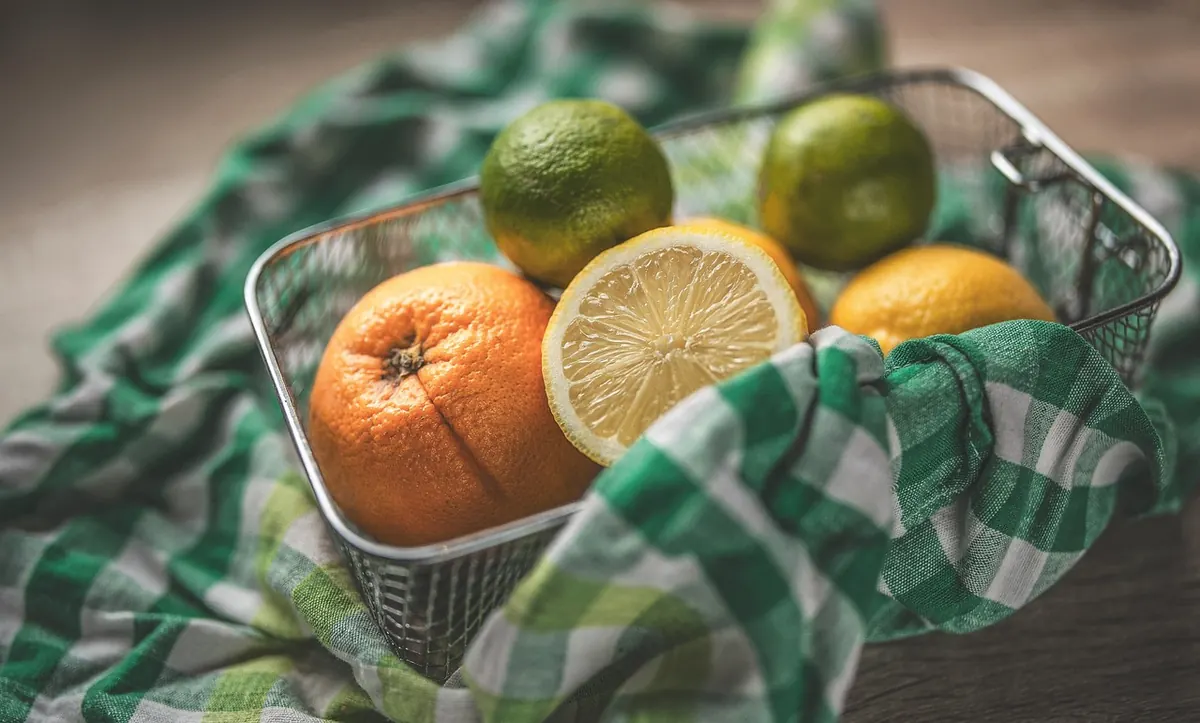
    Photo: monicore / Pixabay

Related Posts

How to Tell When a Lemon Is Ripe: A Winter Picking Guide

Winter Harvest

How to Tell When a Lemon Is Ripe: A Winter Picking Guide

Colour alone won’t tell you a lemon is ready. Judge ripeness by weight, firmness, scent and taste, then store the...
Preserved Lemons: A 3-Ingredient Recipe and 8 Ways to Use Them

Citrus Recipes

Preserved Lemons: A 3-Ingredient Recipe and 8 Ways to Use Them

Three ingredients, a clean jar and a few weeks are all preserved lemons need. Here is the salt-cured method, plus...