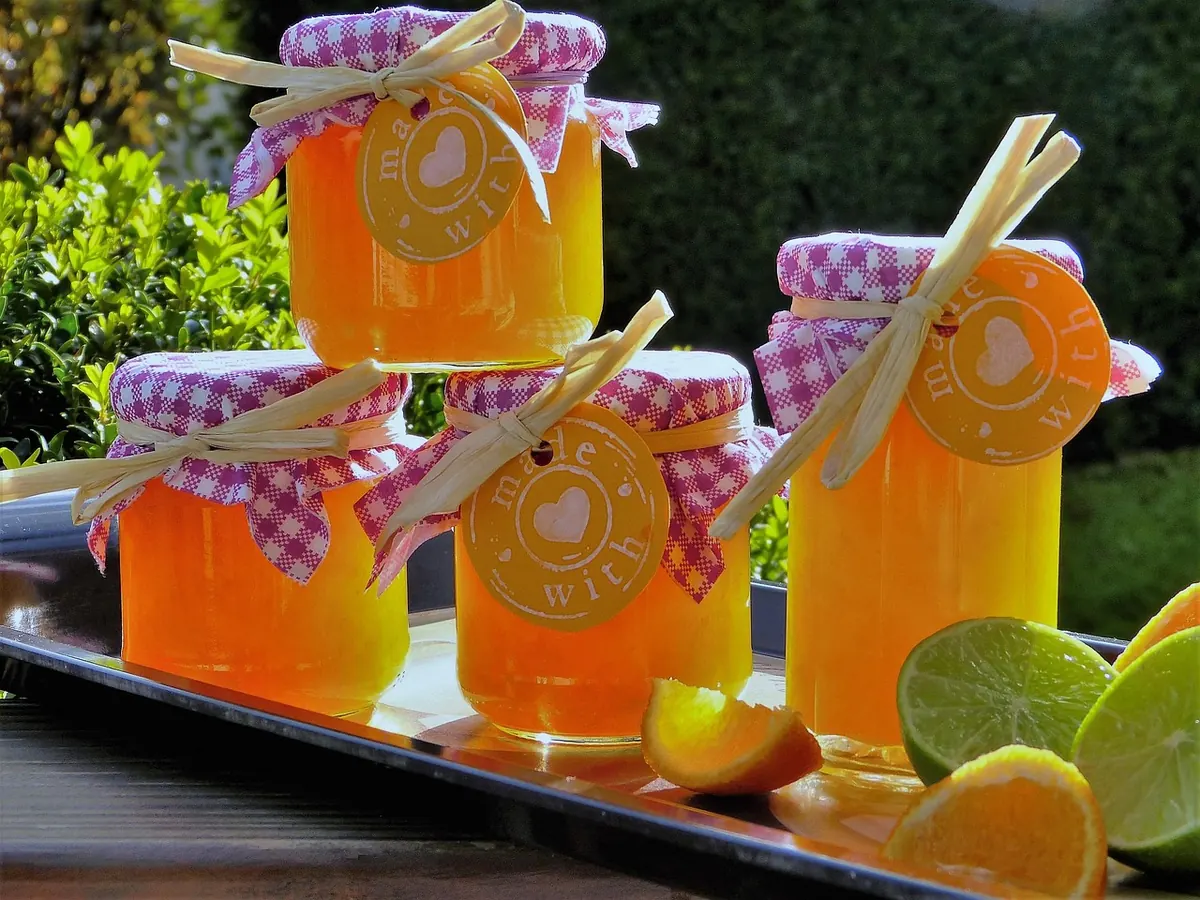
How to Tell When a Lemon Is Ripe: A Winter Picking Guide
October 29, 2026 - Winter Harvest

October 29, 2026 - Winter Harvest
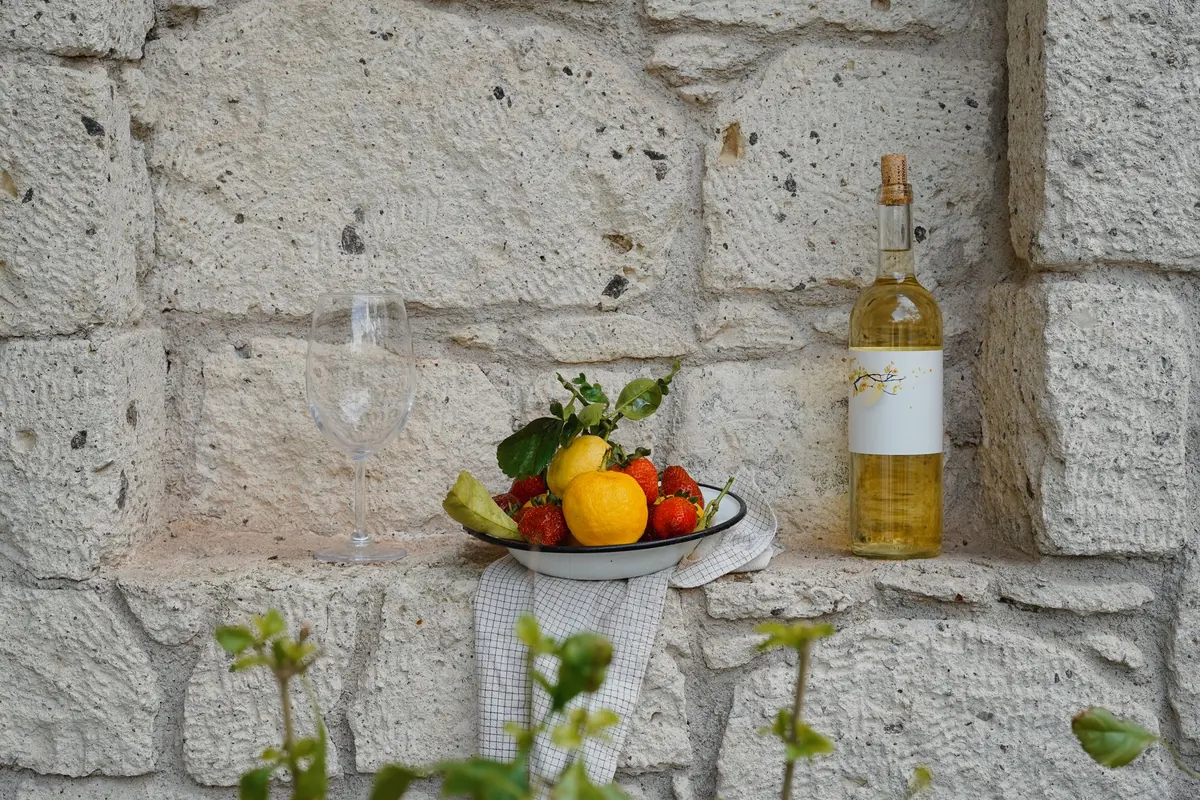
There comes a point in the lemon-growing year when the fruit arrives faster than the kitchen can use it. You have given bags away, frozen the juice, made marmalade twice, and there is still a tree full of yellow. Limoncello solves that problem elegantly. It is a liqueur made from lemon peel, alcohol and sugar syrup, and it asks for almost nothing in the way of equipment: a large glass jar, a saucepan, a funnel and a few bottles. What it does ask for is patience, and a little care in the two places where most home batches go wrong — the peeling and the syrup. Here is the method used in Italian kitchens from Sorrento down to Sicily, with the details that actually change the result.
Limoncello has no lemon juice in it. The flavour lives entirely in the oil glands of the peel, which is why the liqueur tastes like the smell of a lemon rather than the sourness of one. For a batch of roughly three litres, you need:
Use white sugar, not brown; brown sugar drags the flavour somewhere else entirely. Use lemons you know have not been sprayed or waxed, ideally your own or a neighbour's. If you only have supermarket fruit, scrub it in hot water with a little bicarbonate of soda and dry it thoroughly, but understand that you are still working with an unknown surface.
Underneath the yellow skin sits the white pith, and the pith is bitter. Every harsh, throat-catching limoncello you have tasted was probably a peeling problem rather than a recipe problem. A vegetable peeler gives you the cleanest strips: press it lightly and take only the coloured layer, leaving the white behind. Go around the fruit in bands rather than trying to remove the peel in one piece.
Any thick white patches on the back of the strips should be scraped off with a small knife. Some people prefer to pare the peel with a knife, which is slower but gives more control. Either way, work over a bowl and keep the strips fairly short — long ribbons tangle in the jar and are awkward to remove later. Do not worry about using the juice; squeeze the peeled lemons into ice cube trays and freeze it for something else.
Put the peel into a large glass jar with a tight lid and pour over the alcohol. It should cover the peel comfortably. Within an hour you will see the liquid turn a deep, almost electric yellow as the oils come out; within a day the peel will look pale and drained. That colour is the whole point.
Close the jar and leave it in a cool, dark cupboard — a north-facing kitchen shelf is ideal, a windowsill in full sun is not. Shake it gently every few days. Maceration times vary wildly between recipes, and the honest answer is that ten days gives you a good, light limoncello, twenty to thirty days gives you a fuller one, and anything beyond about forty days starts to pull out notes you did not want. Warm rooms speed extraction up; in a hot summer kitchen, keep to the shorter end of the range.
Time in the jar builds perfume. Too much time builds bitterness. Twenty-five days is a good place to stop.
Bring the water to a gentle simmer, add the sugar and stir until it is completely dissolved, then switch off the heat. Do not boil it down into a thick syrup; you are dissolving sugar, not making candy. Then let it cool completely, all the way to room temperature. Pouring warm syrup into the alcohol clouds the liqueur and muddles the flavour.
The ratio above — 800 g sugar to 1.5 litres of water with 1 litre of 95% alcohol — produces a limoncello of around 30% ABV: sweet, thick, but still sharp enough to be refreshing straight from the freezer. If you are working with vodka, use 1 litre of vodka, 700 ml of water and 700 g of sugar for a lighter liqueur in the low twenties. You can move the sugar up or down by 100 g to suit your taste, but keep the water roughly where it is. Too little water and the drink is fire; too much and it turns thin and watery.
Pour the cold syrup into the alcohol slowly, stirring as you go. It will go cloudy for a moment and then clear. Cover the jar again and leave it to rest for at least another ten days, ideally a fortnight. This is the part home cooks skip, and it is the part that turns a sharp spirit into something smooth. The alcohol and sugar need time to settle into each other.
Bottle in glass, always. Wash the bottles in hot soapy water, rinse well and let them drain completely dry before filling — a splash of water left inside dilutes the liqueur at the surface and can cause haze. Tall, narrow bottles with a screw cap or a swing top work well; dark glass is kinder to the flavour but clear glass shows off the colour, which is half the pleasure.
Fill almost to the top, cap firmly, and write the date and the number of maceration days on the label. A batch that has been waiting two months tastes noticeably rounder than one bottled last week, so if you can, leave a few bottles for a season. Limoncello keeps for a year or two in the freezer, where it will not freeze solid thanks to the alcohol and sugar. Serve it very cold, in small glasses, and remember it is a strong drink — a little goes a long way. If you plan to give bottles away or sell them, check the rules where you live; homemade alcohol for personal use and alcohol sold to the public are treated very differently.
Peel weight beats lemon count every time. Twelve small garden lemons and ten large ones can differ by half again in peel, and the peel is what determines the intensity. A cheap kitchen scale pays for itself after two batches.
If your limoncello turns out too sweet, add a little more alcohol or water rather than more lemon; you cannot fix sweetness by re-peeling. If it is bitter, the culprit is almost always pith or an over-long maceration, and the only real remedy is to dilute it into a longer drink — a splash over ice with soda is excellent. And if you grow several lemon varieties, try a batch with the most aromatic peel you have. A thin-skinned, intensely perfumed lemon will beat a thick-skinned, bland one every time, which is the best argument there is for making the stuff from your own tree.
Photo: hello aesthe / Pexels
Colour alone won’t tell you a lemon is ready. Judge ripeness by weight, firmness, scent and taste, then store the...
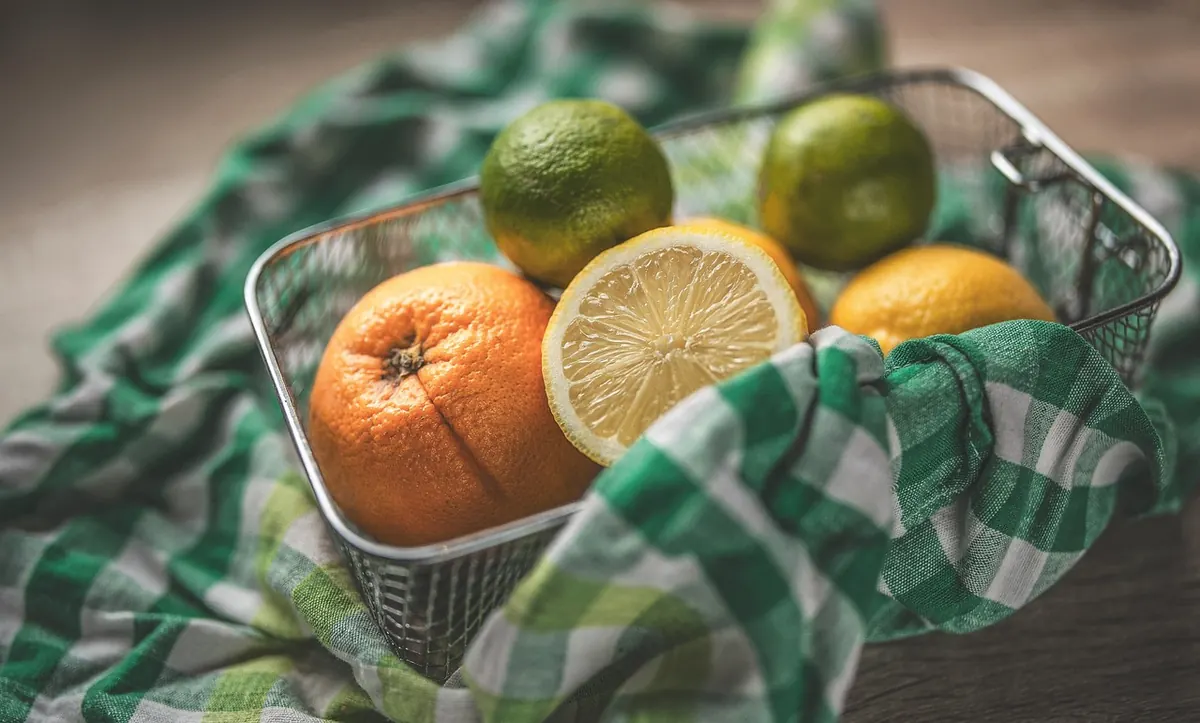
A practical comparison of nine lemons for home gardens, covering flavour, cold hardiness, yield and climate fit,...
October 29, 2026 - Winter Harvest
Copyright © 2026 Limone Della Neve. All Right Reserved.