How to Tell When a Lemon Is Ripe: A Winter Picking Guide
October 29, 2026 - Winter Harvest

October 29, 2026 - Winter Harvest
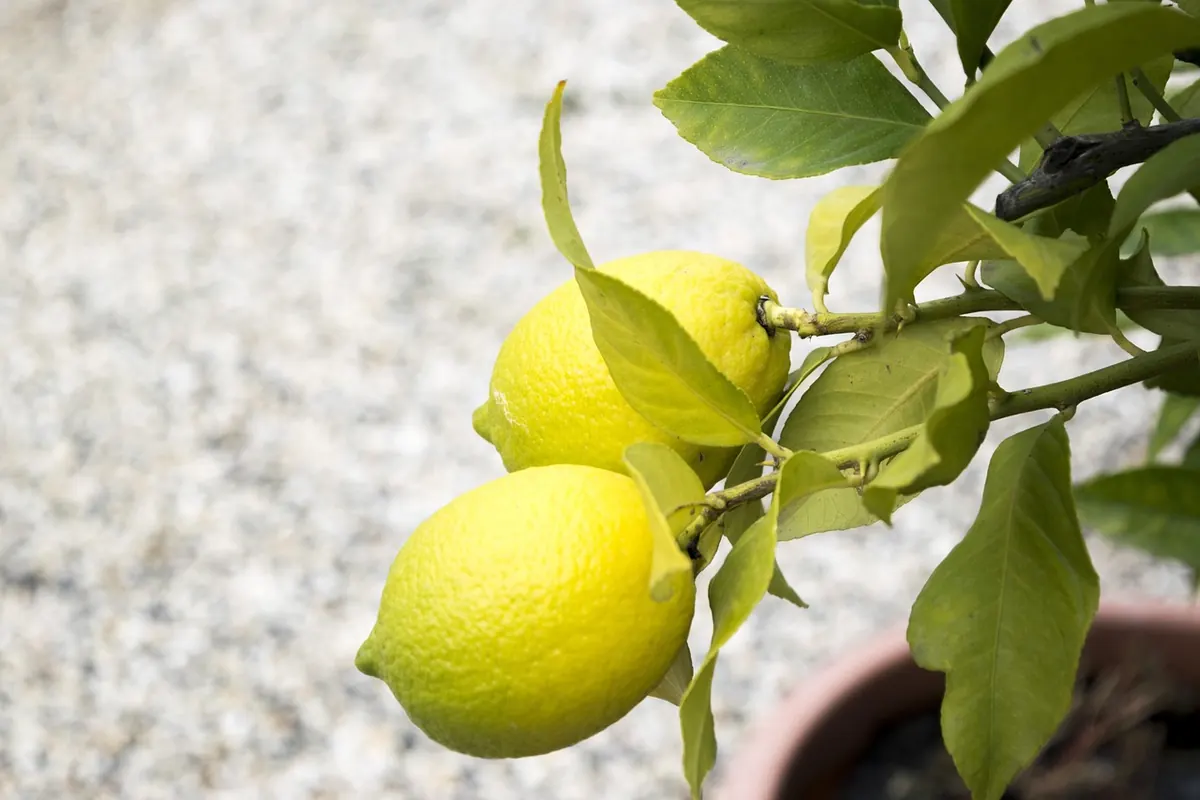
A lemon tree on a balcony is one of those small pleasures that feels bigger than it looks. The glossy leaves, the sharp scent when you brush past, and eventually a fruit you can actually slice into a drink. But pots are not miniature gardens. They are controlled environments, and a lemon in a container depends on you for almost everything: root space, drainage, moisture and food.
The good news is that lemons are more adaptable than their Mediterranean image suggests. Give them a sensible pot, a free-draining mix, a steady watering habit and a feeding routine that follows the seasons, and a young tree can settle in well on a patio or a sunny balcony. This guide covers the basics for first-time growers, without turning the whole thing into a chemistry project.
Pot size is the first decision, and it is easy to get wrong in both directions. A tiny pot dries out too fast and restricts roots; an enormous pot holds far more compost than a young tree can use, and the extra moisture sits there, cool and wet, inviting root problems.
For a young dwarf lemon, aim for a pot around 35–45 cm across and at least 40 cm deep. Depth matters because citrus roots like to go down, and a tall pot is more stable in wind. Terracotta looks good and breathes, but it dries faster in summer. Good-quality plastic is lighter and holds moisture longer. Either works, provided the pot has generous drainage holes at the bottom.
Stand the pot on feet or bricks so water can escape freely. A saucer is useful for catching runoff, but empty it after watering rather than letting the pot sit in a puddle. As the tree grows, repot every two to three years in early spring, moving up one size rather than jumping straight to a barrel.
Lemons dislike stale, sodden roots. They also dislike drying out completely. The answer is a loose, open mix that drains quickly but retains enough moisture to keep the rootball evenly damp. A ready-made citrus compost is the simplest choice. If you prefer to mix your own, combine roughly two parts loam or coir, one part compost, and one part perlite or pumice. A little coarse sand can help weight and drainage, but avoid heavy garden soil, which compacts in pots.
Citrus prefers slightly acidic soil, and most good citrus mixes are already close to that. Keep the graft union — the swollen join near the base of the trunk — above the final soil level. Burying it can encourage rot and suckers. Leave a small gap between the soil surface and the rim of the pot so you can water without overflow.
The most common mistake with potted lemons is watering on a fixed schedule. Weather, pot size, mix and root growth all change how quickly the compost dries. Instead, push a finger into the top two or three centimetres. If it feels dry there, water. If it is still cool and damp, wait.
When you do water, give the pot a proper soak rather than a daily splash. Pour slowly over the surface until water runs from the base, then stop. In warm summer weather a small pot may need water every two to four days; in cool spring or autumn, once a week may be enough. Morning is the best time, so any splashes on leaves dry before evening.
Watch the leaves as well as the soil. Curling, dry edges usually point to underwatering or wind stress. Yellowing leaves and drop can signal a waterlogged rootball, especially if the pot is heavy and the saucer stays full. Lemons in pots also benefit from rainwater when you can collect it, but tap water is fine in most places as long as the pot drains well.
Container trees rely on you for nutrients because every watering leaches a little away. Use a fertiliser formulated for citrus, which will include the main nutrients plus trace elements such as iron, zinc and magnesium. Follow the label — more is not better, and overfeeding can cause leaf burn and weak growth.
A practical rhythm looks like this:
Slow-release citrus granules are an easier alternative for beginners; apply them once in spring and again in midsummer if the label allows. Either way, water the tree before feeding to avoid scorching dry roots. If leaves turn yellow between green veins, the tree may be short of iron or magnesium, but check watering and drainage first before adding supplements.
Lemons want sun — at least six hours of direct light, and more if you can manage it. A south- or west-facing balcony is ideal. Shelter from strong wind matters too, because pots dry quickly and heavy gusts can snap young branches. A corner near a wall or a light screen helps.
In cold weather, most lemons need protection. Move the pot indoors or into a cool, bright conservatory before the first frost, and reduce watering as growth slows. Indoors, keep the tree away from radiators and check the undersides of leaves for pests such as scale, aphids or spider mites. A weekly inspection and a gentle spray with water will catch most problems early. Light pruning after harvest — removing dead twigs and one or two crowded branches — keeps the canopy open and the tree manageable.
A potted lemon does not need constant fuss. It needs a pot that drains, a mix that breathes, water when the surface dries, and food while it is growing. Check it once a day with your coffee, look at the leaves, lift the pot to judge its weight, and empty the saucer. Those small habits will tell you more than any strict schedule.
Start with one healthy young tree, give it the sunniest spot you have, and let the first season be a learning curve. A lemon in a pot is a long-term companion, not a quick crop. Look after the roots and the leaves, and the fruit will follow in its own time.
Photo: eliaclerici / Pixabay
Colour alone won’t tell you a lemon is ready. Judge ripeness by weight, firmness, scent and taste, then store the...

A practical comparison of nine lemons for home gardens, covering flavour, cold hardiness, yield and climate fit,...
October 29, 2026 - Winter Harvest
Copyright © 2026 Limone Della Neve. All Right Reserved.